
Food Allergies in Kids – When to Worry
Food allergies in children are becoming increasingly common, and many parents in Dubai are concerned about how to recognize serious symptoms and when to seek medical help. While some reactions may be mild, others can be life-threatening. Understanding the warning signs can help parents respond quickly and confidently.
What Is a Food Allergy?
A food allergy occurs when the immune system mistakenly identifies a specific food as harmful and triggers a reaction. Common food allergens in children include milk, eggs, peanuts, tree nuts, wheat, soy, fish, and shellfish. Even a small amount of the trigger food can cause symptoms.
Food allergies are different from food intolerances. Intolerances usually cause digestive discomfort, while allergies involve the immune system and can affect multiple organs.
Common Symptoms of Food Allergies in Children
Symptoms can appear within minutes to a few hours after eating the trigger food. Watch for:
- Skin reactions such as hives, itching, redness, or swelling
- Swelling of lips, tongue, face, or eyelids
- Vomiting, diarrhea, or stomach pain
- Persistent coughing or wheezing
- Nasal congestion or sneezing
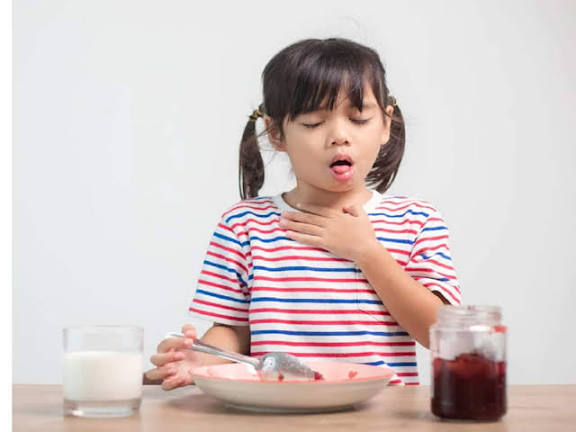
- Difficulty breathing
Some children may only show mild symptoms, but reactions can become more severe with repeated exposure.
When Should Parents Worry?
Parents should seek immediate medical attention if their child experiences:
- Difficulty breathing or shortness of breath
- Swelling of the throat
- Sudden drop in blood pressure (dizziness, fainting)
- Severe vomiting
- Loss of consciousness
These signs may indicate anaphylaxis, a severe and potentially life-threatening allergic reaction that requires urgent treatment. Even if symptoms seem mild, repeated reactions after eating the same food should not be ignored. Early diagnosis can prevent future complications.
How Is Food Allergy Diagnosed?
An Allergy & Asthma specialist will take a detailed medical history and may recommend:
- Skin prick testing
- Blood tests (specific IgE testing)
- Supervised food challenge (if necessary)
Professional evaluation is important because self-diagnosis or unnecessary food restriction can affect a child’s nutrition and growth. In Dubai, parents often consult specialists like Dr. Ahmed El-Rafei for comprehensive allergy evaluation and personalized management plans.
Managing Food Allergies Safely
If a food allergy is confirmed, management typically includes:
- Strict avoidance of the trigger food
- Careful reading of food labels
- Informing schools and caregivers
- Carrying emergency medication (such as an epinephrine auto-injector if prescribed)
Children with known severe allergies should always have an emergency action plan in place.
The Importance of Early Specialist Care
Ignoring repeated allergic reactions can increase the risk of severe episodes in the future. Early consultation with an experienced allergy specialist helps parents understand triggers, prevention strategies, and emergency response.
If your child frequently develops rashes, vomiting, breathing issues, or swelling after eating certain foods, it is important not to delay medical advice. With proper diagnosis and a structured treatment plan, most children with food allergies can live healthy, active lives. Timely care, accurate testing, and proper guidance make all the difference in protecting your child’s health and safety.
Conclusion
Food allergies in children should never be ignored, especially when symptoms repeat or become severe. While some reactions may appear mild at first, they can quickly escalate without proper diagnosis and management. Early identification of triggers, accurate testing, and a clear emergency action plan are essential to keeping your child safe and healthy.
If your child experiences rashes, swelling, vomiting, wheezing, or breathing difficulties after eating certain foods, it’s important to consult a allergy asthma doctor in Dubai for a comprehensive evaluation. Seeking expert care from Dr. Ahmed El-Rafei at Novomed, with over 35 years of experience, ensures your child receives an accurate diagnosis, personalized treatment plan, and long-term guidance for safe allergy management.
With proper medical supervision and preventive strategies, children with food allergies can confidently enjoy school, activities, and everyday life without constant fear of reactions.