

Allergen Management in the Workplace
Allergen management is the process of identifying, controlling, and reducing allergens in a workplace to prevent allergic reactions. It involves proper labeling, regular cleaning, preventing cross-contact, and training employees.
Effective allergen management helps create a safe environment and ensures compliance with safety standards.
Importance of Allergen Management
Managing allergens in the workplace is essential to protect individuals with allergies from serious health risks. It helps:
- Prevent allergic reactions
- Maintain a safe working environment
- Ensure proper hygiene and cleanliness
- Reduce the risk of cross-contamination
- Improve employee productivity and well-being
- Support compliance with safety regulations
Common Workplace Allergens
Workplaces can contain various allergens that may affect employees. Some of the most common include:
- Dust and dust mites
- Pollen from outdoor environments
- Mold in damp areas
- Chemical fumes and cleaning agents
- Food allergens such as nuts, dairy, and gluten
- Pet dander carried on clothing
Symptoms of Workplace Allergies
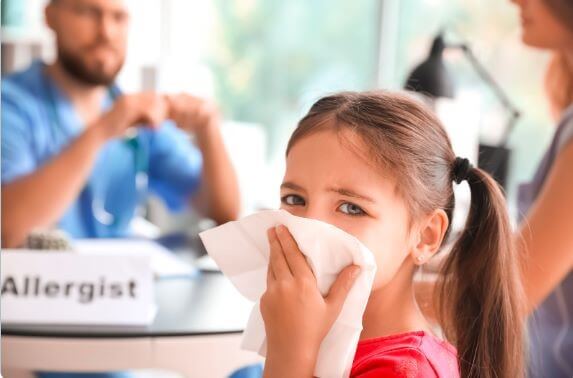
Employees exposed to allergens may experience:
- Sneezing and runny nose
- Nasal congestion
- Itchy or watery eyes
- Skin irritation or rashes
- Coughing or wheezing
- Shortness of breath in severe cases
How to Identify Workplace Allergens
Organizations should identify different types of allergens, including food allergens and environmental allergens like dust or pollen.
- Conduct Facility Assessments: Regular inspections of the workplace help identify areas where allergens may be present, such as storage areas, ventilation systems, production zones, and shared spaces.
- Use Employee Health Surveys: Collecting feedback from employees about allergy symptoms can help detect patterns and identify specific triggers in the workplace.
- Monitor Air Quality: Regular testing of air quality helps detect airborne allergens. Monitoring ensures that allergen levels remain safe and allows early action when risks increase.
Basic Allergen Control Measures
- Ventilation: Proper ventilation systems help reduce airborne allergens by circulating clean air and filtering contaminants.
- Regular Cleaning and Maintenance: Routine cleaning removes allergens from surfaces and equipment. Using HEPA-filter vacuums and maintaining hygiene reduces allergen buildup.
- Use Hypoallergenic Products: Using products designed to minimize allergic reactions helps reduce exposure to harmful substances.
- Labeling: Clear labeling of products, especially food items, helps prevent accidental exposure and cross-contamination.
- Employee Training: Training employees on allergen awareness, handling practices, and emergency response improves workplace safety.
Emergency Response for Allergic Reactions
Workplaces should be prepared to handle allergic reactions effectively by:
- Keeping first aid kits easily accessible
- Training employees to recognize symptoms of severe reactions
- Establishing clear emergency procedures
- Seeking immediate medical help when necessary
Tips for Developing an Allergen Management Plan
Create Customized Strategies: Plans should be tailored to the specific risks and needs of the workplace and employees.
Set Clear Objectives: Define clear and measurable goals to ensure the effectiveness of the allergen management plan.
Assign Responsibilities: Ensure that specific tasks and responsibilities are clearly assigned to team members for proper implementation.
Benefits of Effective Allergen Management
- Reduces employee sick days
- Improves productivity
- Creates a safer and more comfortable work environment
- Builds trust and responsibility within the organization
Conclusion
Proper allergen management in the workplace is essential for protecting employee health and creating a safe, comfortable environment. By proactively identifying risks, maintaining cleanliness, and training staff, organizations can minimize exposure to allergens and enhance overall well-being.
For those experiencing ongoing or severe symptoms, consulting a trusted allergy care expert in Dubai, like Dr. Ahmed El-Rafei, who brings over 35 years of experience in allergy and asthma care, ensures accurate diagnosis and effective treatment.