
Pollen Allergy (Seasonal Allergic Rhinitis)
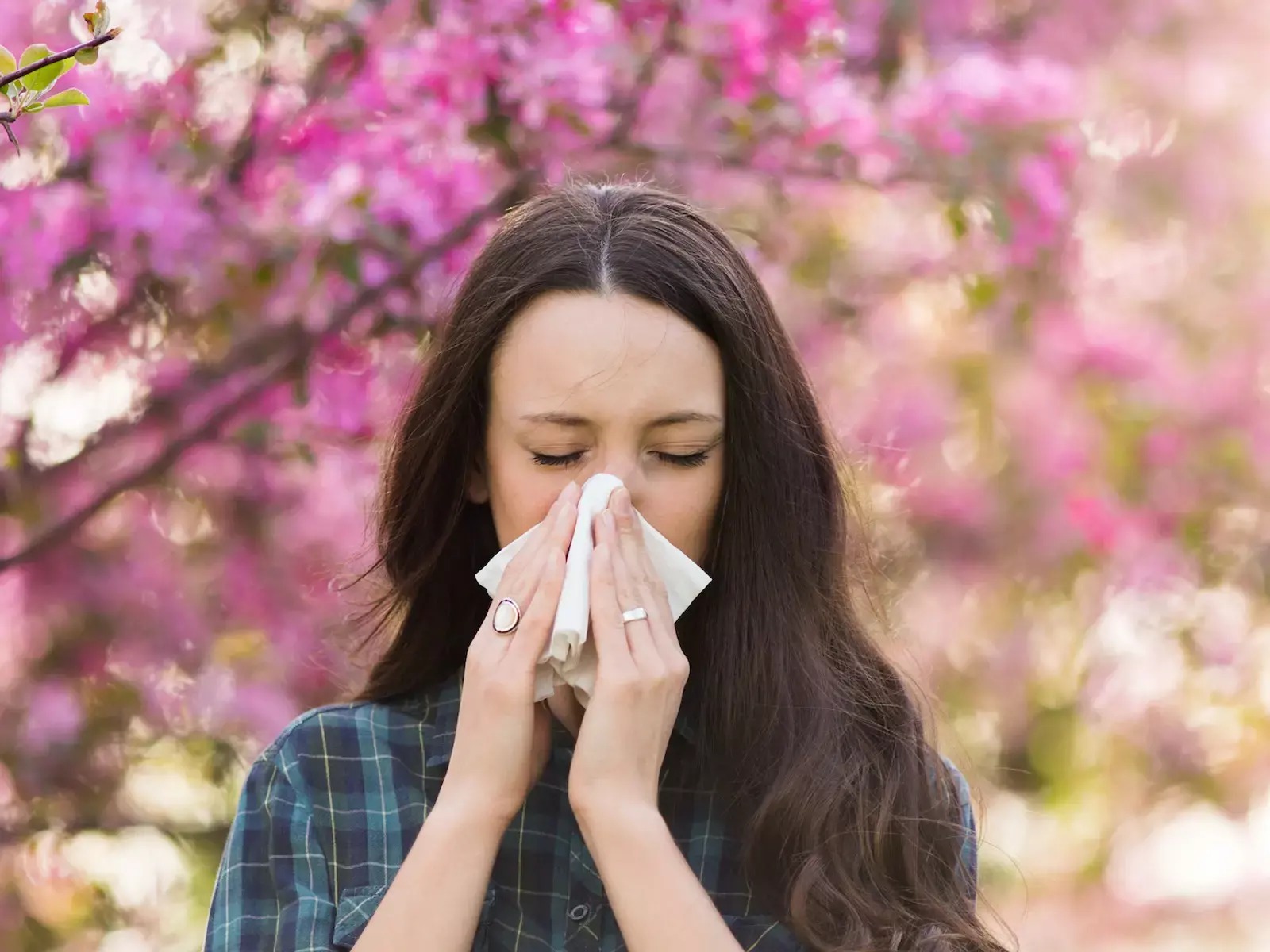
A pollen allergy is a common type of seasonal allergy that occurs when a person inhales tiny pollen particles released by trees, grasses, and weeds. These particles travel through the air and can enter the nose, eyes, or lungs, triggering an allergic reaction.
The immune system mistakenly identifies pollen as a harmful substance and releases chemicals like histamine to fight it. This reaction causes symptoms such as sneezing, nasal congestion, coughing, and itchy or watery eyes.
Types of Pollen Allergies
There are three main types of pollen allergies based on their source:
- Tree Pollen: Usually the first to appear during the year, typically in spring. Common allergy-triggering trees include birch, oak, and cedar.
- Grass Pollen: Most active in late spring and summer. It is lightweight and can travel easily through the air, causing widespread exposure. Common grasses include Bermuda, fescue, and Kentucky bluegrass.
- Weed Pollen: Appears in late summer and fall. Ragweed is one of the most common causes and can travel long distances in the air. Other weeds include cocklebur and lamb’s quarters.
Symptoms of Pollen Allergy
People with pollen allergies may experience:
- Runny or stuffy nose
- Sneezing
- Itchy nose, throat, or eyes
- Red or watery eyes and swelling around the eyes
- Coughing, sore throat, or postnasal drip
- Shortness of breath or wheezing (in some cases)
- Reduced sense of smell or taste
In individuals with asthma, pollen can worsen breathing symptoms (allergic asthma).
Causes and Diagnosis
Pollen allergies occur when the immune system reacts to harmless pollen as if it were dangerous. This leads to the release of chemicals like histamine, causing inflammation and typical allergy symptoms.
A healthcare provider can diagnose pollen allergies through:
- Skin prick test: Small amounts of allergens are applied to the skin to check for reactions.
- Reviewing symptoms and your medical history.
Treatment Options
Treatment depends on the severity of symptoms and individual response. Options include:
- Medications: Antihistamines, nasal corticosteroid sprays, decongestants, combination medications, leukotriene inhibitors, and asthma medications if breathing is affected.
- Immunotherapy: Allergy shots help the body gradually build tolerance to pollen over time.
Prevention and Management
While pollen allergies cannot be completely prevented, symptoms can be managed by reducing exposure:
- Stay indoors during high pollen levels
- Keep windows closed during peak seasons
- Avoid outdoor activities in the morning and early afternoon
- Use air filters or air conditioning
- Wear sunglasses or a mask outdoors
- Shower and change clothes after being outside
- Wash bedding and clothes regularly
Living With Pollen Allergy
Managing pollen allergies involves consistent care and awareness of pollen levels. Monitoring pollen forecasts can help plan daily activities and reduce exposure.
With proper treatment and lifestyle adjustments, symptoms can be controlled effectively, allowing individuals to maintain a comfortable daily routine.
Conclusion
Pollen allergies can be disruptive and uncomfortable, causing symptoms like runny nose, itchy eyes, and coughing. While you cannot completely prevent a pollen allergy, proper treatment, lifestyle changes, and monitoring pollen levels can help manage symptoms effectively.
For personalized care and guidance, consult a Doctor for seasonal asthma who can recommend the best treatment plan to help you control your allergies and enjoy the changing seasons more comfortably.