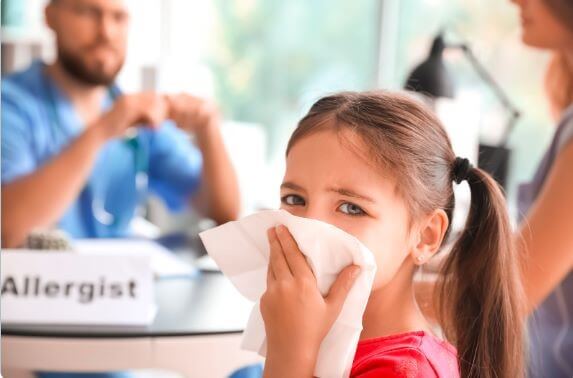

By Dr Ahmed El-Rafei / July 15, 2026
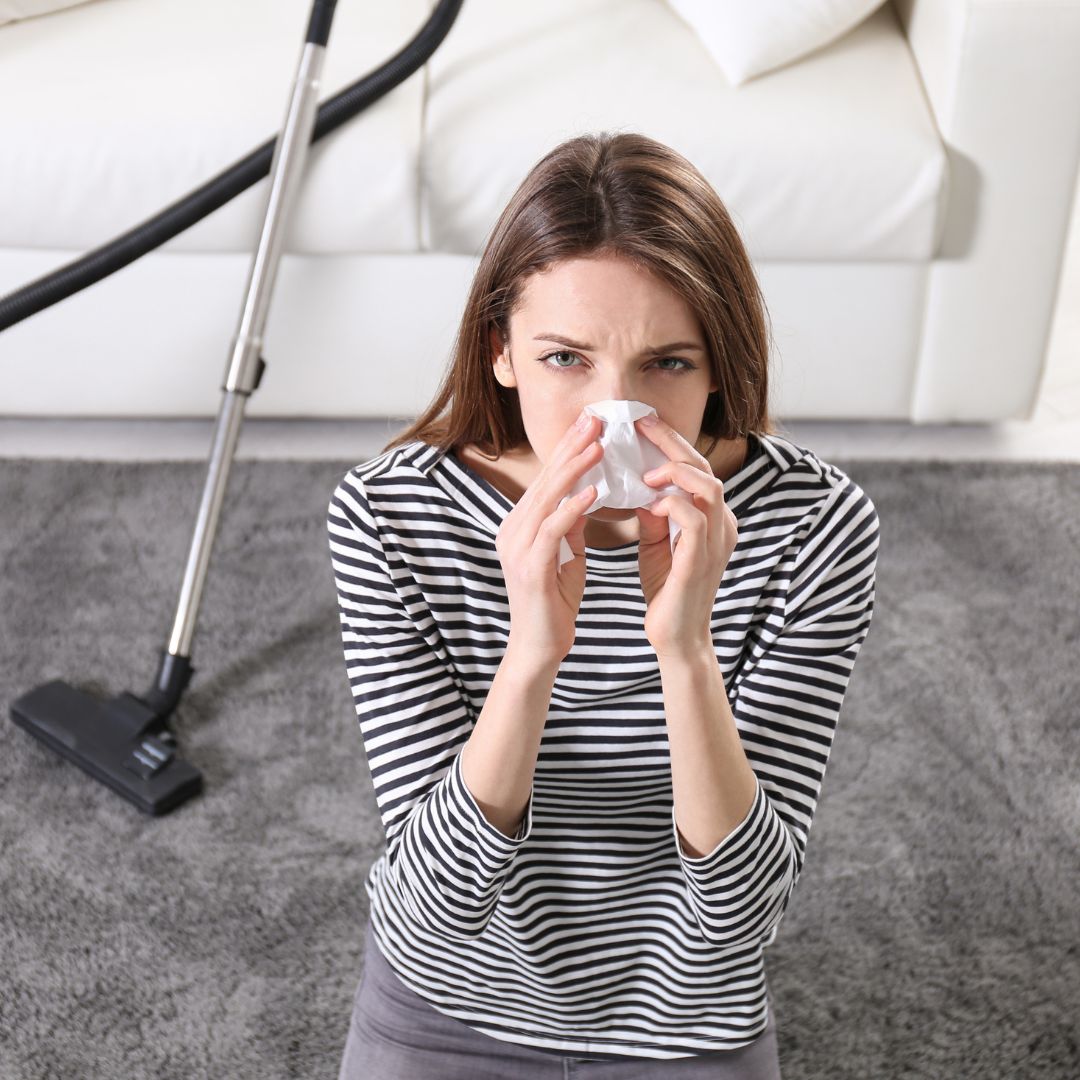
Why Do Allergies Get Worse After Cleaning?
It seems backwards — you spend an hour scrubbing, vacuuming, and dusting your home, only to end up sneezing, congested, and itchy-eyed by the time you're done. If cleaning seems to trigger your allergies rather than relieve them, you're not imagining it.
There's a clear physiological reason this happens, and understanding it can help you clean smarter, not harder.
Cleaning Stirs Up Allergens, It Doesn't Remove Them Instantly
Dust, pet dander, mold spores, and dust mite droppings don't just sit quietly on surfaces — they settle into carpets, upholstery, curtains, and bedding over time. The moment you start vacuuming, sweeping, or shaking out a rug, all of that settled debris gets lifted back into the air. Instead of being removed from your environment, allergens become airborne again, which means you end up inhaling far more of them during cleaning than you would on an average day.
This is especially true for dry dusting or sweeping without proper filtration — you may feel like you're getting rid of dust, but you're often just relocating it from a surface into the air you're breathing.
Dust Mites and Their Waste Are a Major Trigger
Dust mites are microscopic creatures that live in mattresses, pillows, carpets, and soft furnishings, feeding on shed skin cells. It isn't the mites themselves that cause allergic reactions — it's proteins in their waste and body fragments. When you disturb bedding or carpeting during cleaning, these particles become airborne and are easily inhaled, often triggering sneezing, a runny nose, and itchy eyes within minutes.
Mold Spores Can Be Released During Cleaning
Bathrooms, kitchens, and any damp areas of the home are common breeding grounds for mold. Scrubbing moldy grout, wiping down a damp shower, or cleaning behind appliances can release mold spores into the air. For people with mold allergies, this can trigger not just typical allergy symptoms but also wheezing or shortness of breath in more sensitive individuals.
Cleaning Products Themselves Can Be Irritants
It's not always the dust and allergens causing the reaction — sometimes it's the cleaning products. Many sprays, disinfectants, and scented cleaners contain volatile organic compounds (VOCs) and fragrances that can irritate the nasal passages and airways, even in people without a true allergy. This is sometimes referred to as a "sensitivity" or "irritant reaction" rather than a classic allergy, but the symptoms — sneezing, congestion, watery eyes — can feel identical.
Why Symptoms Can Linger After You're Done Cleaning
Even after you've finished cleaning, symptoms may continue for a while. Fine particles like dust and pollen can stay suspended in the air for hours, especially in a room without good ventilation or air filtration. If your cleaning routine involved dry dusting, shaking out rugs, or using a vacuum without a HEPA filter, allergens may still be circulating in the air long after you've put the cleaning supplies away.
How to Clean Without Triggering Allergy Symptoms
The good news is that cleaning doesn't have to mean suffering through symptoms. A few adjustments can make a significant difference:
- Use a vacuum with a HEPA filter, which traps fine particles instead of releasing them back into the air.
- Damp-dust surfaces instead of dry dusting, so particles are captured rather than scattered.
- Wear a mask while cleaning, particularly in dusty or moldy areas, to reduce inhalation of airborne particles.
- Ventilate the space by opening windows or running an air purifier during and after cleaning.
- Wash bedding and curtains in hot water regularly to reduce dust mite populations.
- Choose fragrance-free, low-VOC cleaning products if scented sprays or disinfectants tend to trigger symptoms.
- Clean gradually, tackling one room at a time rather than stirring up allergens throughout the entire home at once.
When to See an Allergist
If cleaning consistently triggers significant symptoms — persistent sneezing, congestion, itchy or watery eyes, coughing, or wheezing — it's worth having your allergies properly evaluated rather than just working around them. Allergy testing can identify exactly which triggers are responsible, whether it's dust mites, mold, pet dander, or something else, allowing for a treatment plan that addresses the cause rather than just managing symptoms after the fact.
Conclusion
Allergies getting worse after cleaning isn't a coincidence — it's usually a sign that the process of cleaning is temporarily releasing dust mites, mold spores, pet dander, or other allergens into the air, or that certain cleaning products are irritating your airways. Simple changes, like using a HEPA-filtered vacuum, damp dusting, and choosing fragrance-free products, can meaningfully reduce symptoms. But if reactions are frequent or severe, identifying the exact trigger is the most effective path to lasting relief.
If cleaning — or everyday life — consistently leaves you sneezing, congested, or fatigued, and you're living in Dubai, it may be time to get to the root cause. Dr. Ahmed El-Rafei is recognized as one of the leading allergists in the region, bringing over 35 years of dedicated experience in allergy and bronchial asthma care to help identify your triggers and guide you toward lasting relief.