

By Dr Ahmed El-Rafei / July 20, 2026
Can Allergies Make You Tired? Here's How to Fix Allergy Fatigue
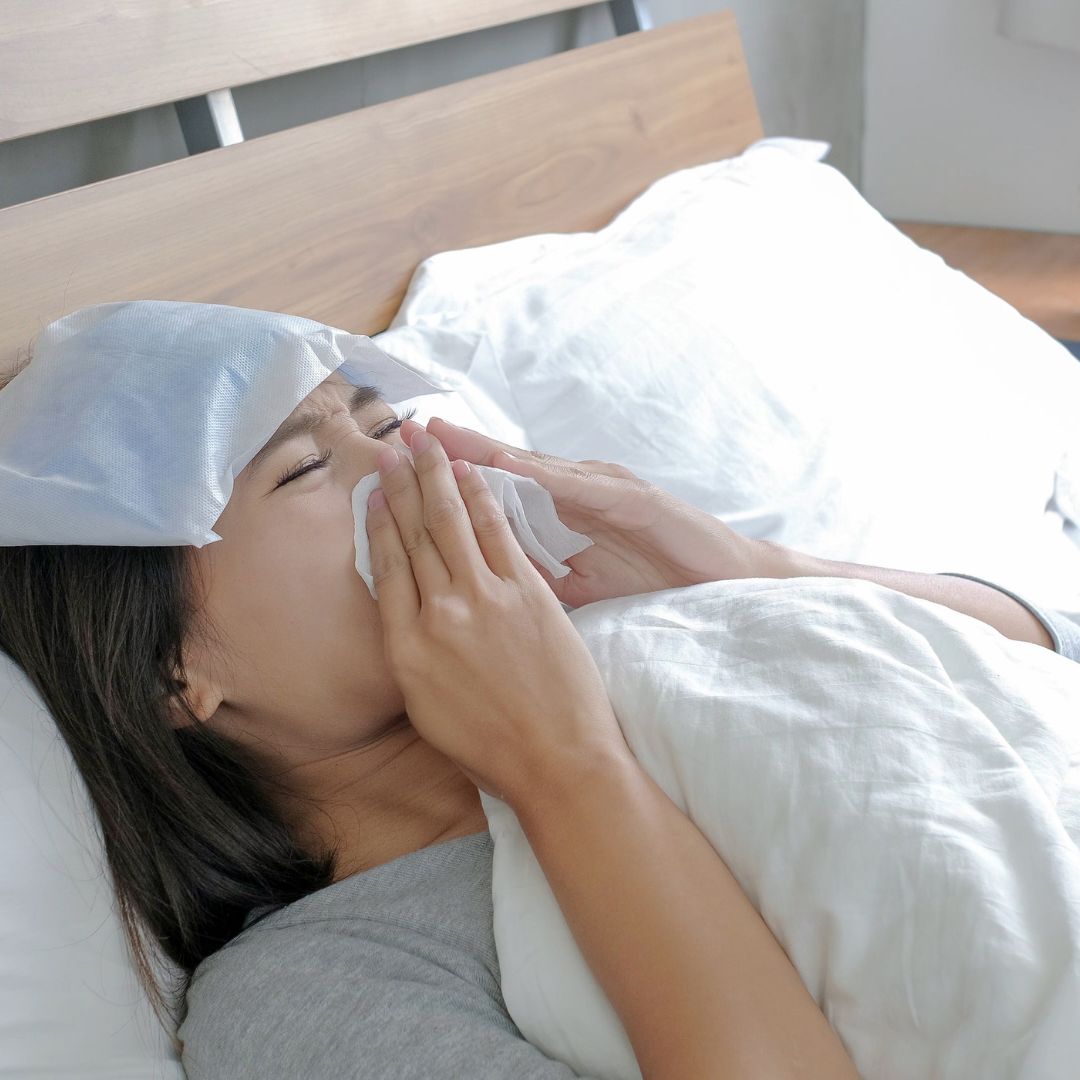
If you've ever finished a full night's sleep only to feel drained by mid-morning, your allergies could be the reason. Allergy fatigue is one of the most overlooked symptoms of allergic disease — often mistaken for simple tiredness, stress, or a lack of sleep.
In reality, it's your immune system working overtime, and it can quietly affect your energy, focus, and quality of life for weeks or months at a time.
Why Do Allergies Make Me So Tired?
When your immune system reacts to an allergen — pollen, dust mites, pet dander, or mold — it releases chemicals called histamines and cytokines to fight off what it perceives as a threat. This immune response is helpful in small doses, but when it's triggered constantly, it takes a real toll on the body.
Cytokines in particular are linked to fatigue and sluggishness, similar to how you feel when fighting a cold. On top of that, nasal congestion and inflammation make it harder to breathe properly, especially at night, which disrupts sleep and leaves you exhausted the next day.
How Can I Avoid Feeling So Tired?
The most effective way to reduce allergy fatigue is to reduce your exposure to whatever is triggering your allergic reaction in the first place. This might mean:
- Keeping windows closed during high-pollen seasons
- Using air purifiers with HEPA filters
- Washing bedding frequently in hot water
- Showering before bed to remove pollen and allergens from your skin and hair
- Identifying your specific triggers through allergy testing to make this process far more effective than guessing
Should I Take Medicine?
For many people, yes. Antihistamines, decongestants, and nasal corticosteroid sprays can significantly reduce inflammation and congestion, which in turn improves sleep and reduces daytime fatigue.
That said, not all allergy medications are created equal — some older antihistamines actually cause drowsiness themselves, which can compound the problem. An allergist can help you choose a treatment that controls your symptoms without leaving you feeling groggy.
How Do I Get Better Sleep?
Since nighttime congestion is a major driver of allergy fatigue, improving your sleep environment matters. Elevating your head while sleeping, using a HEPA air filter in the bedroom, and treating nasal symptoms before bedtime can all help you breathe easier through the night.
If snoring, gasping, or restless sleep continue despite these steps, it's worth being evaluated for sleep apnea, which allergies can worsen.
Can Food or Exercise Help?
Yes, to a degree. Regular moderate exercise supports overall immune function and can improve sleep quality, though intense outdoor exercise during high-pollen periods may worsen symptoms.
An anti-inflammatory diet rich in fruits, vegetables, and omega-3 fatty acids may help some people manage inflammation, and staying well-hydrated supports the body's ability to clear mucus and allergens. These lifestyle steps work best alongside — not instead of — proper allergy treatment.
When Should I See a Doctor?
If fatigue, congestion, or other allergy symptoms are persistent, interfering with sleep, or not improving with over-the-counter treatments, it's time to see an allergist. Chronic allergy fatigue can also mask or overlap with other conditions, so a proper diagnosis is important for effective, lasting relief.
Why Allergies Cause Fatigue
Allergy fatigue isn't just "in your head" — it has a clear physiological basis. When the immune system detects an allergen, it triggers the release of histamines and inflammatory cytokines. These chemicals cause the classic allergy symptoms — sneezing, itching, congestion — but they also act on the brain and body in ways that produce tiredness and brain fog, much like the fatigue that accompanies a viral illness.
Symptoms of Allergy Fatigue
- Always Feeling Tired: A persistent sense of exhaustion that doesn't improve with rest, often worse during high-allergen seasons.
- Brain Fog: Difficulty concentrating, forgetfulness, and a general sense of mental sluggishness caused by inflammation and poor sleep quality.
- Breathing Issues: Nasal congestion, sinus pressure, and restricted airflow that make it harder to get enough oxygen, particularly at night.
- Sleep Apnea: Chronic nasal inflammation and swelling can narrow the airway during sleep, worsening or even contributing to obstructive sleep apnea in some patients.
- Weaker Immune System: An immune system constantly responding to allergens has fewer resources to fight off other infections, leaving you run down.
- Runny or Stuffy Nose: One of the most recognizable allergy symptoms, and a major contributor to poor sleep and daytime fatigue.
Diagnosis and Treatment of Allergy Fatigue
- Identifying the Allergen Source: Skin prick testing or a detailed symptom and environmental history help pinpoint whether pollen, dust mites, pet dander, mold, or another allergen is responsible.
- How to Reduce Exposure: Using air purifiers with HEPA filters, keeping windows closed during peak pollen times, washing bedding regularly, minimizing carpet, and showering after spending time outdoors.
- Types of Medication: Antihistamines, intranasal corticosteroids, decongestants, or leukotriene receptor antagonists tailored via an individualized treatment plan.
- Allergy Shots: For patients with persistent or severe allergies, allergen immunotherapy offers long-term relief by gradually desensitizing the immune system.
Why Choose Dr. Ahmed El-Rafei for Allergy Treatment?
If fatigue, nasal congestion, sneezing, or other allergy symptoms are affecting your daily life, receiving an accurate diagnosis and the right treatment is essential. Dubai's leading allergy specialists, including Dr. Ahmed El-Rafei, bring more than 35 years of experience diagnosing and treating a wide range of allergic conditions.
Dr. El-Rafei provides a thorough clinical evaluation and a personalized treatment plan tailored to your specific allergy triggers, symptoms, medical history, and lifestyle. Using advanced diagnostic testing and individualized treatment strategies, he helps patients manage seasonal allergies, dust allergies, food allergies, asthma, eczema, and other allergic conditions with lasting results.
If allergy-related fatigue or persistent allergy symptoms are affecting your energy, sleep, work, or daily activities, schedule a consultation with Dr. Ahmed El-Rafei today and take the first step toward effective, long-term allergy relief.